BPC-157 and retatrutide: Synedica peptide warning
Australia’s TGA (Therapeutic Goods Administration) advises consumers to stop using Synedica peptide products after laboratory testing found discrepancies between labels and contents.
The safety advisory was issued on . Read the original safety alert.
Unapproved peptide products have not undergone the regulator’s assessment of quality, safety or effectiveness. Important uncertainties can include manufacturing standards, sterility and side effects. See the earlier national warning.
What the testing found
- Synedica BPC 157 & TB 500 10 mg (milligrams), KLOW 80 mg and BARBIE KLOW 100 mg: no detectable TB-500.
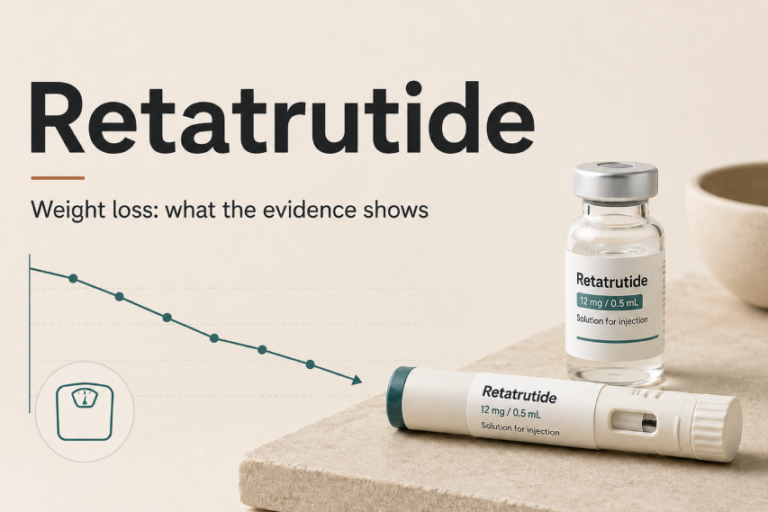
- Synedica Retatrutide 10 mg: less retatrutide than labelled, with substantial variation between samples.
These findings concern the tested samples. They do not establish the contents of every vial.
What consumers should do
The regulator advises stopping Synedica peptide products, taking remaining supplies to a pharmacy for safe disposal, and discussing health concerns after use with a health professional. Suspected side effects should also be reported to the TGA.
Read the official consumer advice.
Australian authorities have previously reported serious adverse effects associated with unapproved peptide use, including liver damage and severe allergic reactions requiring hospital care. Those broader reports do not establish that the tested Synedica products caused those events. Read the earlier national warning.
For health professionals
Separate regulatory guidance advises practitioners considering access to unapproved peptides to consider approved alternatives, assess risks and potential benefits, obtain informed consent and meet applicable legal and professional requirements.
Supporting human evidence should match the specific product, formulation, administration route and intended use.