GLP-1 medicines and vision loss: new warnings explained
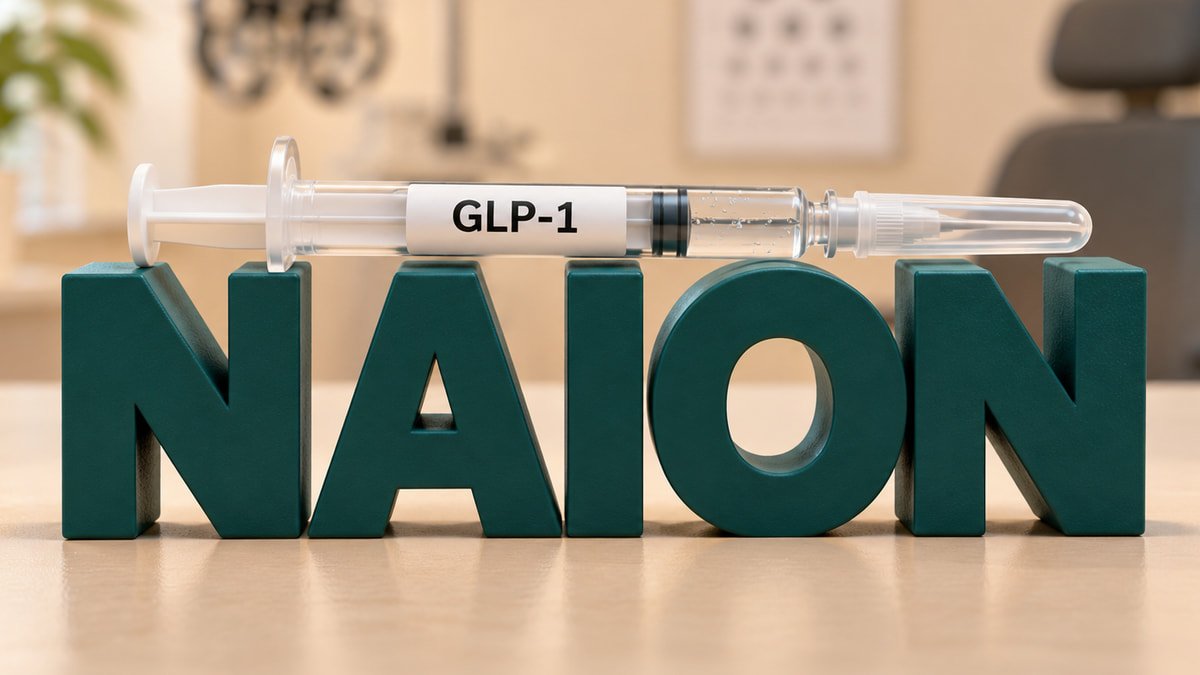
On , the FDA (Food and Drug Administration) in the United States required new warnings across GLP-1 (glucagon-like peptide-1) medicines, including semaglutide and tirzepatide. The warnings concern a possible increase in the risk of a rare eye condition.
NAION (non-arteritic anterior ischaemic optic neuropathy) occurs when reduced blood flow damages the optic nerve. It usually starts with sudden, painless vision loss in one eye, often first noticed on waking. It can later affect the other eye. Clinical estimates put that risk at about 15% to 20% within five years of a first episode. One follow-up study found 14.7%. It can cause permanent vision loss. American Academy of Ophthalmology, StatPearls, MSD Manual, five-year follow-up study and original safety communication.
What was known before the medicine safety signal
Doctors had documented NAION for decades before a 2024 study raised a possible link with semaglutide. Earlier United States studies estimated about 2 to 10 new cases each year per 100,000 adults aged 50 or older. Researchers had already linked NAION to diabetes, high blood pressure and obstructive sleep apnoea. 1994 population study and Rochester population study.
The 2024 study looked at whether NAION occurred more often in people prescribed semaglutide. It found an association in a specialist clinic cohort, prompting further safety studies. 2024 semaglutide study.
What Australia changed
The TGA (Therapeutic Goods Administration) published its safety update on . Australian product information now includes a specific warning and an adverse-effect entry for semaglutide. The entries for tirzepatide, dulaglutide and liraglutide describe reports made after these medicines came to market. Read the Australian update.
European regulators classified NAION as a very rare side effect of semaglutide. The European Union safety update and the United Kingdom safety update cover semaglutide. Canada lists NAION in the Ozempic and Zepbound product information. New Zealand’s September update confirms that its GLP-1 data sheets include reports of NAION.
How rare is it?
In the FDA’s pooled trial analysis, the rates were 6.4 versus 3.8 probable cases per 100,000 person-years with GLP-1 treatment versus placebo or another glucose-lowering medicine. That is an observed difference of 2.6 cases per 100,000 people followed for one year. Read the FDA’s trial analysis.
There were only 15 probable cases across the trials. Studies using health records found a clearer link for semaglutide in adults with type 2 diabetes. The size of the risk for each medicine and for people using semaglutide for weight loss without diabetes remains uncertain. Read the semaglutide systematic review.
For patients
Seek urgent medical attention if you suddenly lose any part of your vision, even if there is no pain. Read the Australian safety advice.
Diabetic retinopathy affects the retina at the back of the eye. A rapid improvement in blood sugar can worsen existing retinopathy early in treatment. If you already have it, discuss eye monitoring with your clinician. See the Ozempic product information.
Discuss any change to your treatment with your clinician. Read the FDA’s patient advice.
For health professionals
Australian semaglutide guidance calls for urgent referral for an eye specialist assessment after sudden vision loss and stopping semaglutide if NAION is confirmed. The FDA advises considering stopping the GLP-1 medicine after NAION unless the treatment benefits clearly outweigh the risk. Australian guidance and FDA guidance.