What really might help your circadian rhythm
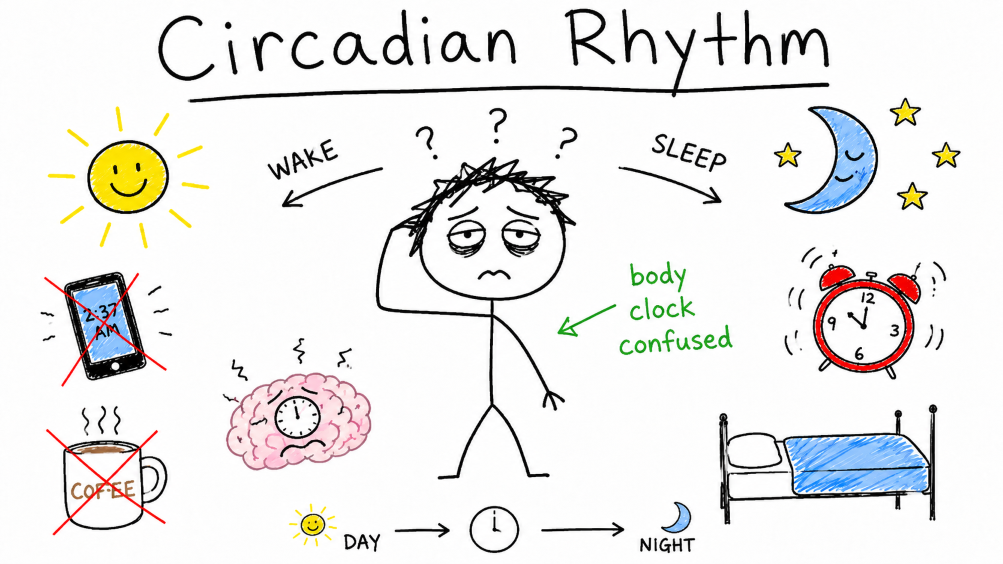
“You can reset and improve your circadian rhythm through lifestyle interventions — such as morning sunlight, melatonin, avoiding screens at night, exercising in the morning, eating earlier in the day, and keeping consistent sleep times.”
Yes — this claim is substantially correct. Morning bright light and appropriately timed low-dose melatonin have the strongest evidence, with multiple RCTs and systematic reviews showing measurable circadian phase shifts. Evening blue-light reduction, morning exercise, early time-restricted eating, and regular sleep scheduling all have plausible biological mechanisms and promising — if less definitive — human trial data. No single intervention is a magic fix; the evidence supports combining several of these daily habits for the greatest effect.
Morning bright light and melatonin receive strong ratings because their circadian phase-shifting effects have been directly measured via DLMO (dim-light melatonin onset) in multiple controlled RCTs with adequate sample sizes (N ≥ 50). The biological pathway — ipRGC → SCN → pineal gland — is well characterised in human physiology. The remaining four interventions are rated “Promising” because mechanistic evidence is strong and human observational and trial data are encouraging, but RCT evidence measuring circadian phase directly (not just sleep outcomes) is limited in quality or sample size. No intervention was rated “Not Supported” because none has been tested and found to fail in well-powered trials — the gap is evidence quantity, not evidence against.
For readers who want to inspect the studies behind the verdict. This table is visible by default for transparency.
| Citation | Study Type | N | Key Result | Verdict | Risk of Bias |
|---|